
Why Do Women Experience Bladder Leakage? 9 Common Causes and Natural Solutions (2026 Guide)

Jump to section
- Why Do Women Experience Bladder Leakage? 9 Common Causes and Natural Solutions (2026 Guide)
- What Is Bladder Leakage?
- How Common Is Urinary Incontinence?
- Signs and Symptoms of Bladder Leakage
- Bladder Leakage Causes
- Frequently Asked Question
- What is the most common cause of bladder leakage in women?
- Is bladder leakage a normal part of aging?
- Can bladder leakage be treated naturally?
- What foods may help support bladder health?
- Can menopause cause bladder leakage?
- What are the different types of urinary incontinence?
- How can I strengthen my bladder naturally?
- Can drinking less water stop bladder leakage?
- Are bladder support supplements effective?
- Join our free newsletter and receive evidence-informed women's wellness tips, bladder health guides, healthy lifestyle advice, and honest supplement reviews—delivered directly to your inbox. No spam. Unsubscribe anytime.
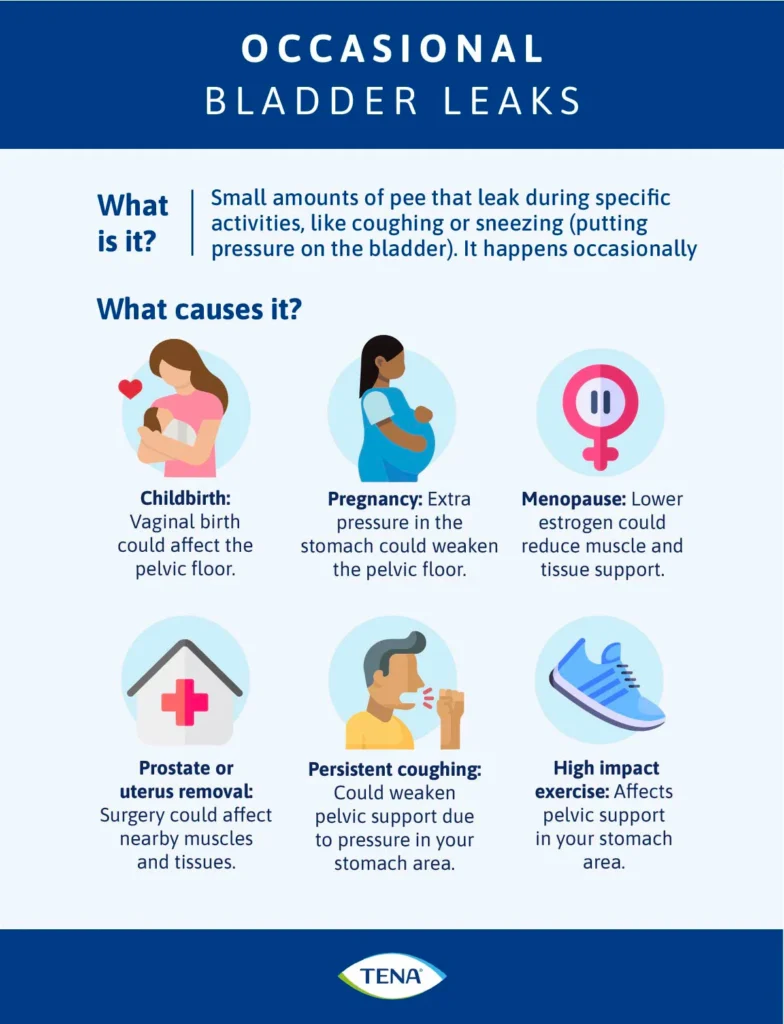
Image belongs to : https://shop.tena.us/
What Is Bladder Leakage?
Bladder leakage, also known as urinary incontinence, is the accidental loss of urine. It can range from a few drops during a cough or laugh to a sudden urge that is difficult to control. While it becomes more common with age, bladder leakage is not considered a normal or inevitable part of aging. Many women experience symptoms after pregnancy, childbirth, menopause, or due to changes in the muscles and tissues that support the bladder.
Although bladder leakage can be frustrating or embarrassing, many people find relief through lifestyle changes, pelvic floor muscle training, and guidance from a healthcare professional. The best approach depends on the underlying cause and the type of urinary incontinence involved.
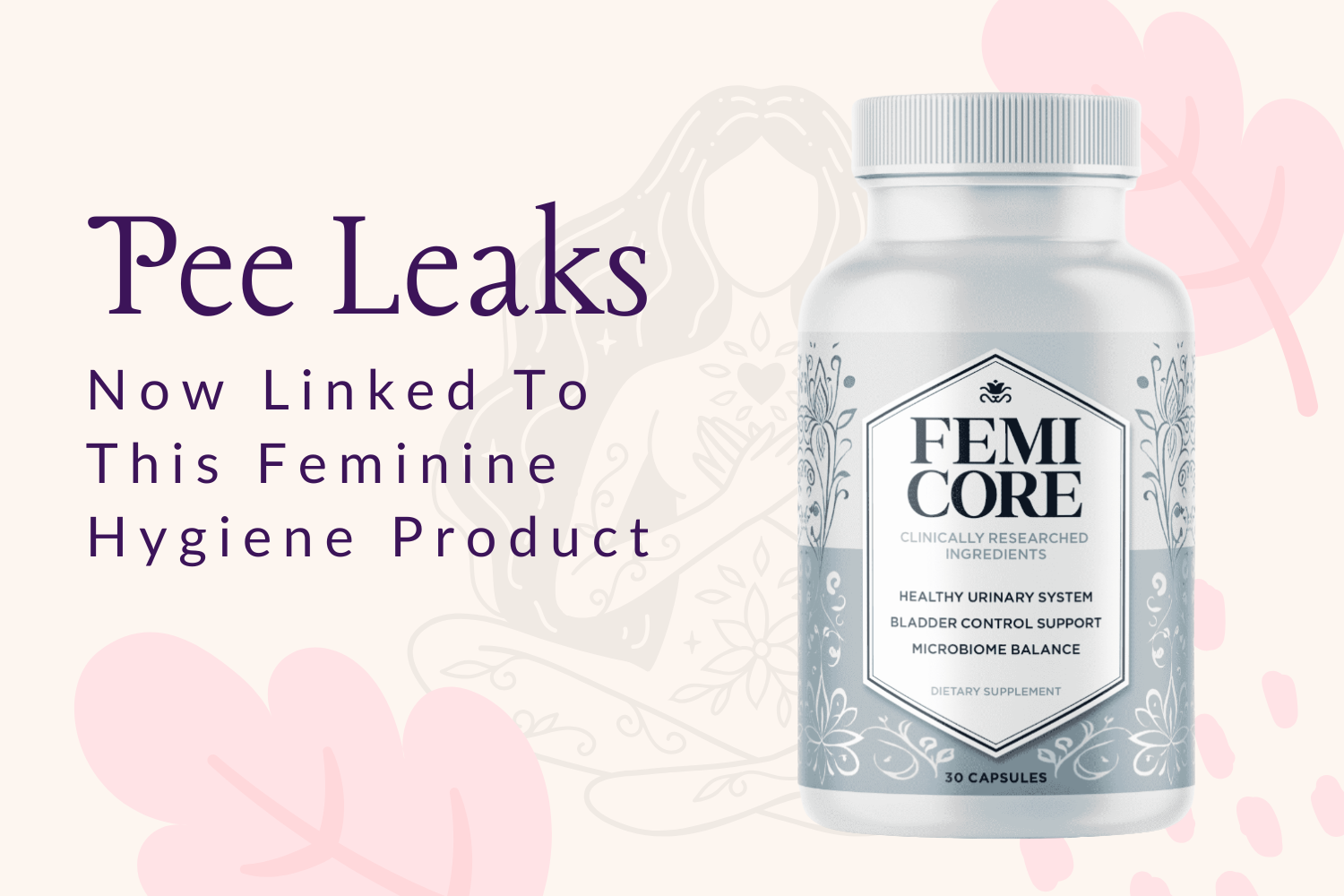
Looking for Additional Bladder Support?
Healthy habits such as staying hydrated, eating a balanced diet, and strengthening your pelvic floor can play an important role in supporting bladder health. However, some women also choose to explore dietary supplements as part of their overall wellness routine.
If you’re considering that option, we’ve prepared an in-depth FemiCore Review covering the ingredients, how the formula is marketed, potential benefits, pricing, refund policy, and important pros and cons to help you make an informed decision.
👉 Read Our Complete FemiCore Review Here →
Always consult a qualified healthcare professional before starting any new supplement, especially if you are pregnant, nursing, taking medications, or have an underlying medical condition.
How Common Is Urinary Incontinence?
Millions of women experience urinary incontinence at some point in their lives. The condition affects women of different ages, but the likelihood generally increases with age because the muscles, connective tissues, and hormonal environment that support bladder function can change over time.
Several factors can increase the risk, including:
- Pregnancy and childbirth
- Menopause
- Obesity
- Chronic coughing
- Constipation
- Diabetes
- Certain neurological conditions
- Previous pelvic surgery
Many women delay seeking help because they believe bladder leakage is simply part of getting older. In reality, many cases can be improved with appropriate evaluation and treatment.
Signs and Symptoms of Bladder Leakage
Symptoms vary depending on the type of urinary incontinence. Common signs include:
- Leaking urine when coughing, laughing, sneezing, or exercising
- A sudden, difficult-to-control urge to urinate
- Frequent urination throughout the day
- Waking several times during the night to urinate
- Difficulty reaching the bathroom in time
- Feeling that the bladder does not empty completely
- Small or larger amounts of accidental urine leakage
Some women experience only occasional symptoms, while others notice them daily. Keeping a bladder diary for several days can help identify patterns to discuss with a healthcare provider.
Bladder Leakage Causes
1. Weak Pelvic Floor Muscles
The pelvic floor is a group of muscles that supports the bladder, uterus, and bowel. Pregnancy, childbirth, aging, and inactivity can weaken these muscles, making it more difficult to control urine flow.
Pelvic floor muscle exercises, often called Kegel exercises, are commonly recommended as part of a treatment plan for stress urinary incontinence.
2. Pregnancy and Childbirth
During pregnancy, the growing uterus places additional pressure on the bladder. Vaginal delivery may also stretch or injure the muscles and nerves involved in bladder control.
Many women notice improvement after recovery, while others may continue to experience symptoms that benefit from pelvic floor rehabilitation and medical evaluation.
3. Menopause
Lower estrogen levels after menopause can affect tissues around the bladder and urethra. These changes may contribute to urgency, frequency, or leakage in some women.
Because symptoms vary widely, it’s important to discuss persistent bladder problems with a healthcare professional to determine the most appropriate management plan.
4. Stress Urinary Incontinence
Stress urinary incontinence occurs when physical activities increase pressure inside the abdomen. Common triggers include:
- Sneezing
- Laughing
- Coughing
- Jumping
- Running
- Lifting heavy objects
This type of leakage is often linked to weakened pelvic floor muscles or reduced support around the urethra.
5. Overactive Bladder
An overactive bladder can cause a sudden, strong urge to urinate even when the bladder is not full. Some people reach the bathroom in time, while others experience urge incontinence.
Symptoms may include:
- Frequent urination
- Strong urgency
- Nighttime urination
- Leakage before reaching the toilet
Behavioral strategies, bladder training, and medical treatment may help reduce symptoms.
6. Excess Body Weight
Carrying excess body weight increases pressure on the bladder and pelvic floor. For some women, gradual weight loss combined with regular physical activity can reduce stress on these structures and improve bladder control.
Frequently Asked Question
What is the most common cause of bladder leakage in women?
The most common causes include weakened pelvic floor muscles, pregnancy and childbirth, menopause, aging, obesity, and certain medical conditions. The exact cause varies from person to person, so persistent symptoms should be evaluated by a healthcare professional.
Is bladder leakage a normal part of aging?
Bladder leakage becomes more common with age, but it is not considered a normal or inevitable part of aging. Many women can improve their symptoms through lifestyle changes, pelvic floor exercises, and appropriate medical treatment.
Can bladder leakage be treated naturally?
Some women find that symptoms improve with pelvic floor muscle exercises, maintaining a healthy weight, staying physically active, managing constipation, and avoiding bladder irritants when appropriate. The best treatment depends on the underlying cause.
What foods may help support bladder health?
A balanced diet rich in fruits, vegetables, whole grains, lean proteins, and fiber supports overall health. Staying hydrated and avoiding foods or drinks that personally trigger symptoms may also help some women.
Can menopause cause bladder leakage?
Yes. Hormonal changes during menopause can affect the tissues and muscles that support the bladder, which may contribute to urinary urgency, frequency, or leakage in some women.
What are the different types of urinary incontinence?
The main types include:
Stress urinary incontinence – leakage during coughing, sneezing, laughing, or exercise.
Urge urinary incontinence – leakage following a sudden, strong urge to urinate.
Mixed urinary incontinence – a combination of stress and urge incontinence.
Overflow incontinence – leakage due to incomplete bladder emptying.
Functional incontinence – difficulty reaching the toilet because of physical or cognitive limitations.
How can I strengthen my bladder naturally?
You should seek medical advice if:
Leakage is frequent or worsening.
It interferes with daily life or sleep.
You experience pain while urinating.
There is blood in your urine.
You have repeated urinary tract infections.
Symptoms begin suddenly without an obvious reason.
Can drinking less water stop bladder leakage?
Not usually. Drinking too little water can make urine more concentrated, which may irritate the bladder. Most people benefit from drinking enough fluids throughout the day unless a healthcare professional recommends otherwise
Are bladder support supplements effective?
Some bladder support supplements contain ingredients that are being studied for bladder health, but evidence varies by product and ingredient. Supplements should not replace medical evaluation or treatment, and it’s important to discuss them with a healthcare professional before use.
Join our free newsletter and receive evidence-informed women’s wellness tips, bladder health guides, healthy lifestyle advice, and honest supplement reviews—delivered directly to your inbox. No spam. Unsubscribe anytime.
Related Articles
Menopause and Bladder problems: Why Frequent Urination Happens and What Can Help