
Foods For Menopause That Help Reduce Menopause Symptoms Naturally
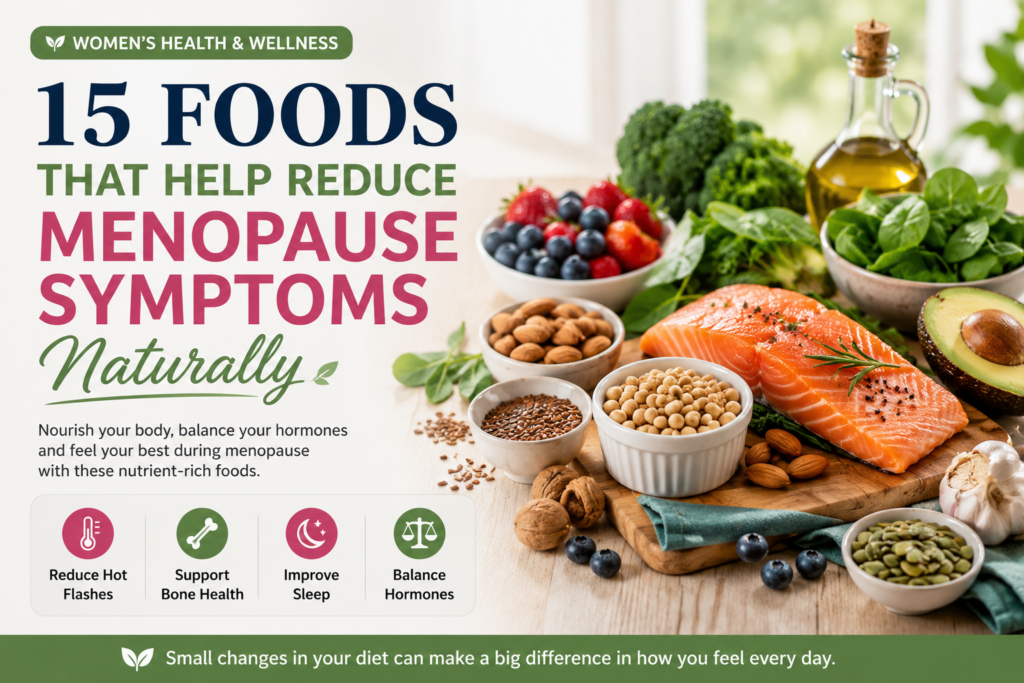
Introduction
Menopause is a natural stage of life, but it often brings changes that can affect your daily routine. Hot flashes, night sweats, mood swings, sleep disturbances, weight changes, and reduced bone density are among the most common symptoms many women experience.
While no single food can eliminate menopause symptoms, a balanced diet rich in essential nutrients may help support overall health and improve quality of life during this transition. Choosing foods that provide calcium, vitamin D, omega-3 fatty acids, protein, fiber, and phytoestrogens can play an important role in maintaining wellness.
In this guide, we’ll explore 15 foods that may help support your health during menopause, explain why they’re beneficial, and share practical tips for including them in your daily meals
Contents
Why Nutrition Matters During Menopause
As estrogen levels naturally decline, many women experience changes in metabolism, bone health, heart health, and body composition. A nutrient-rich eating pattern can help support:
- Bone strength
- Heart health
- Muscle maintenance
- Digestive health
- Energy levels
- Healthy weight management
Combining healthy eating with regular physical activity, good sleep, and stress management offers the greatest overall benefit.
15 Foods That May Help During Menopause
 Soy Foods
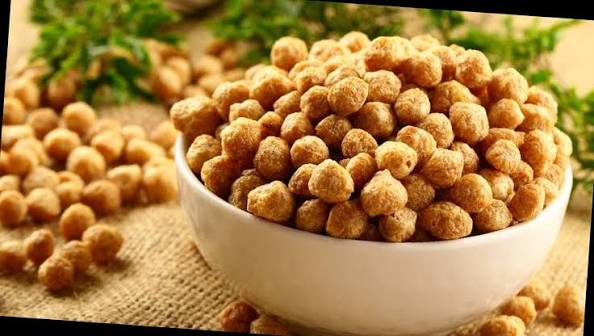
Soybeans, tofu, tempeh, and edamame contain isoflavones, plant compounds that can have mild estrogen-like effects in the body. Some women find they help reduce hot flashes, though research results are mixed.
 Salmon
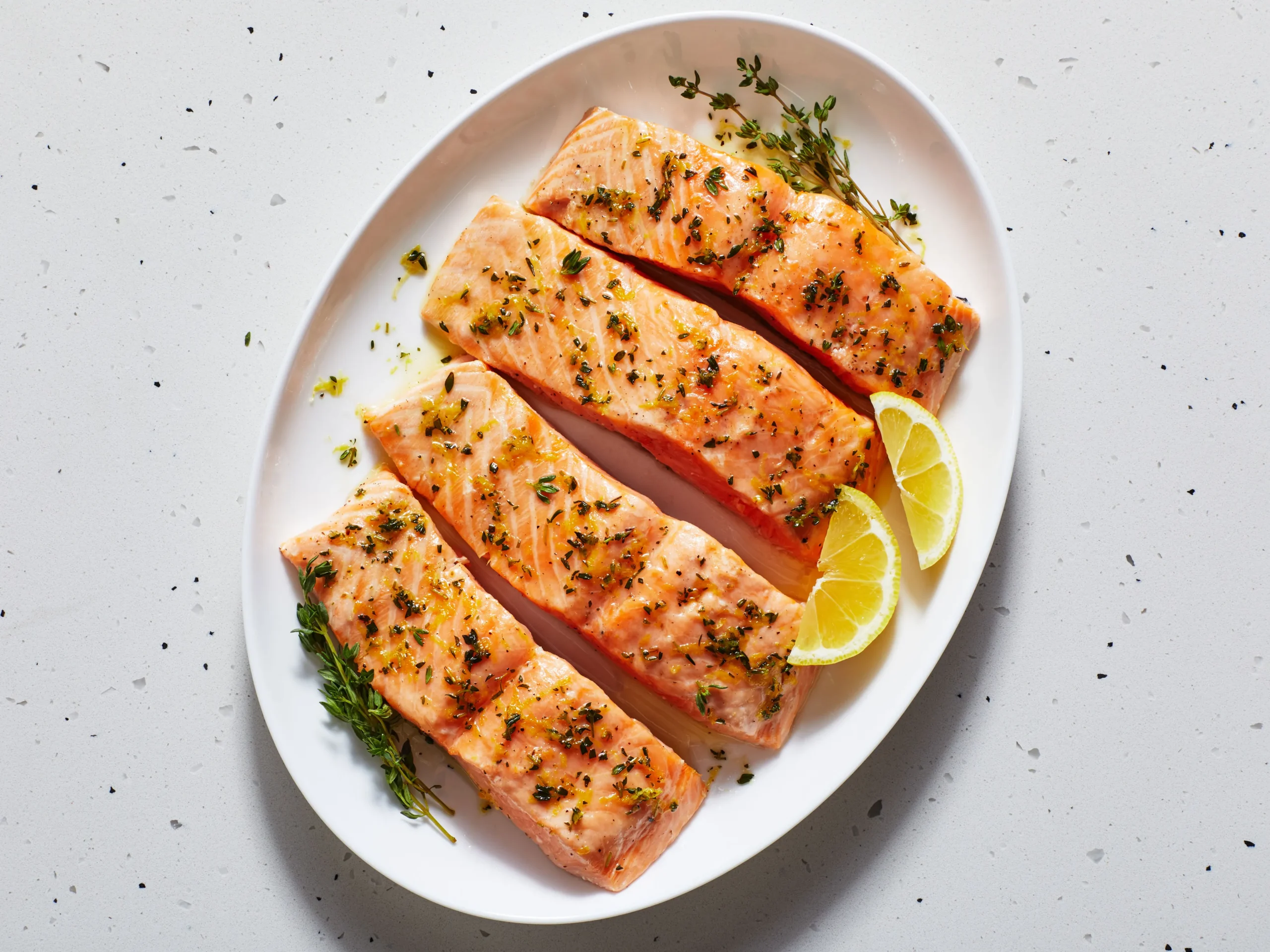
Salmon provides omega-3 fatty acids, vitamin D, and high-quality protein, supporting heart health and bone health.
 Greek Yogurt
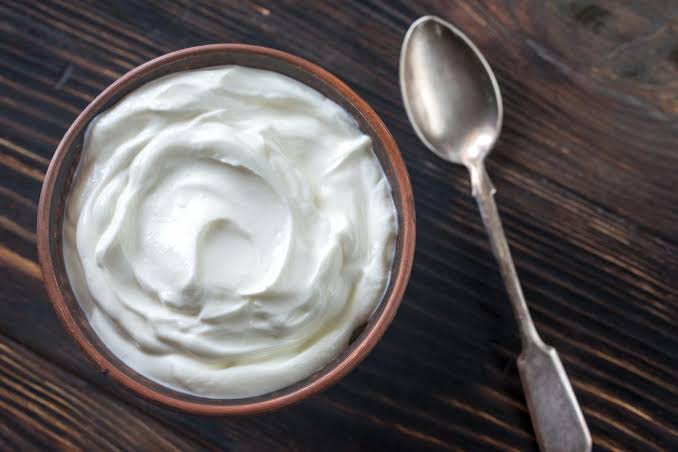
Rich in calcium and protein, Greek yogurt supports bone health and muscle maintenance.
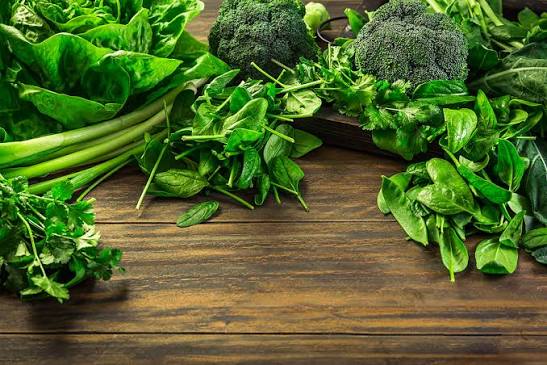 Leafy Green Vegetables
Spinach, kale, collard greens, and bok choy provide calcium, magnesium, vitamin K, and antioxidants.
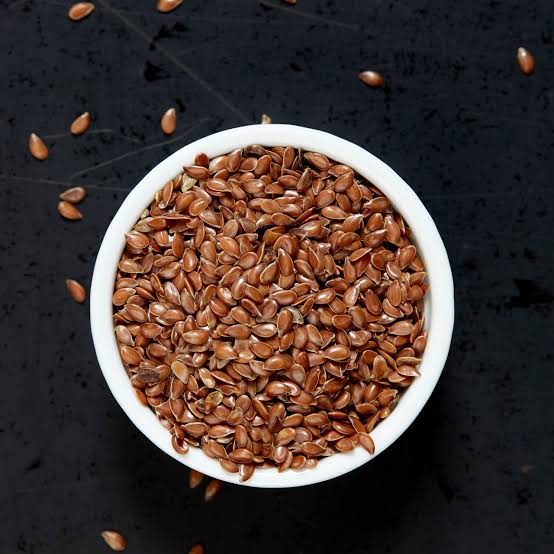 Flaxseeds
Ground flaxseeds contain lignans and fiber, making them a nutritious addition to oatmeal, yogurt, or smoothies.
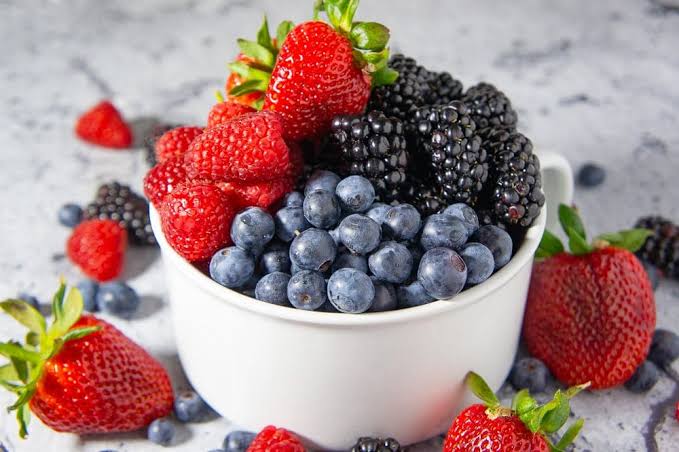 Berries
Blueberries, strawberries, raspberries, and blackberries are packed with antioxidants and vitamin C.
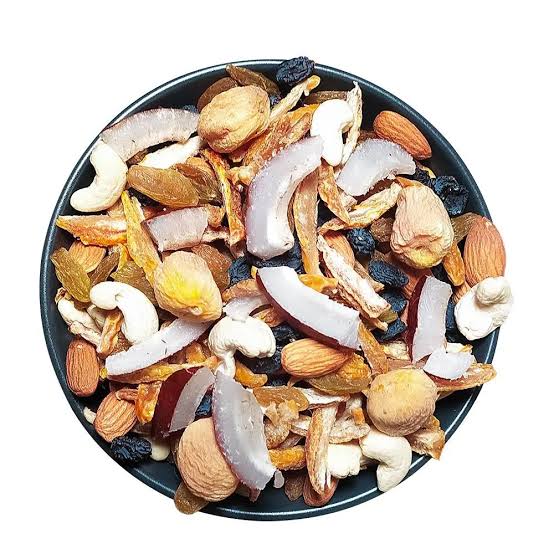 Nuts
Nuts
Almonds and walnuts provide healthy fats, protein, magnesium, and vitamin E.
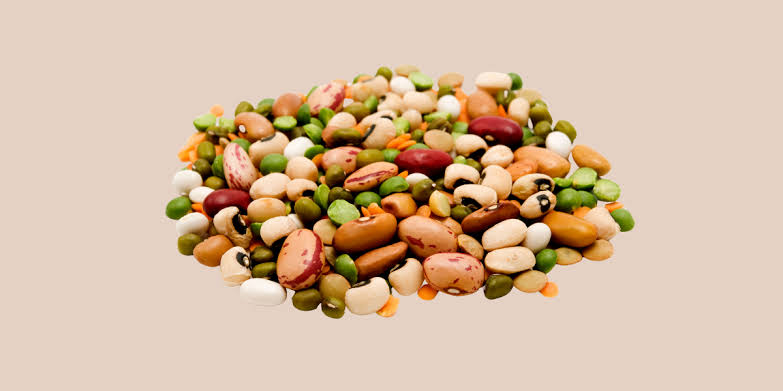 Beans and Lentils
Excellent sources of plant protein, iron, and fiber that support digestive health and satiety.
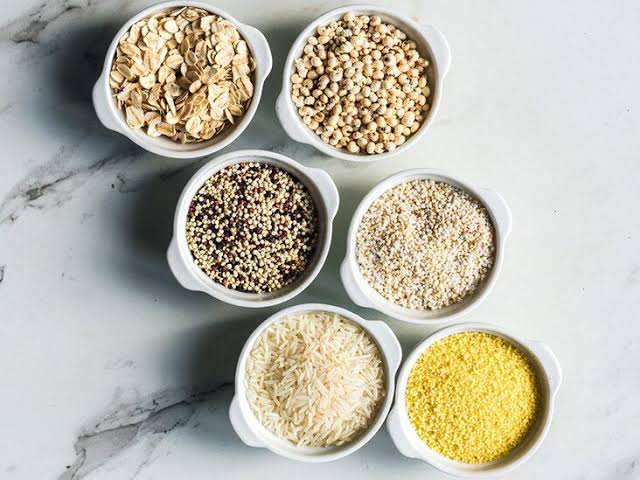 Whole Grains
Oats, quinoa, and brown rice provide fiber and steady energy.
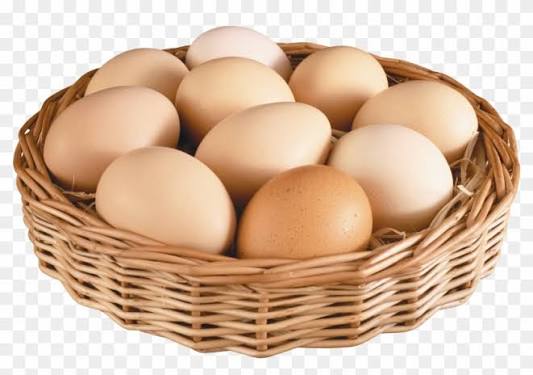 Eggs
Eggs
Eggs are rich in protein, vitamin D, and choline, making them a nutrient-dense choice.
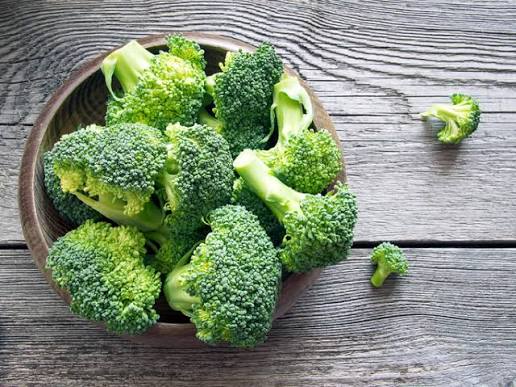 Broccoli
A cruciferous vegetable that provides fiber, vitamin C, calcium, and other beneficial nutrients.
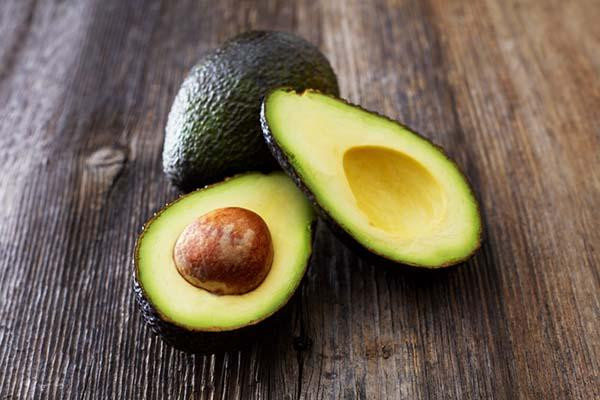 Avocados
Contain healthy monounsaturated fats and potassium that support overall heart health.
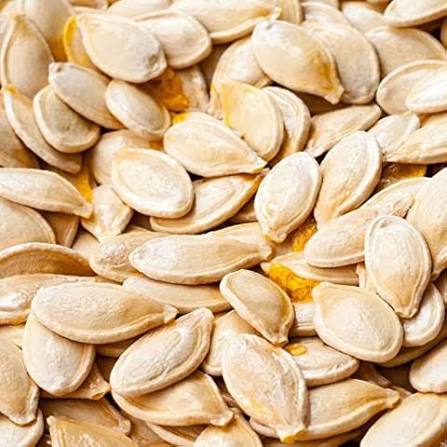 Pumpkin Seeds
A good source of magnesium, zinc, and healthy fats.
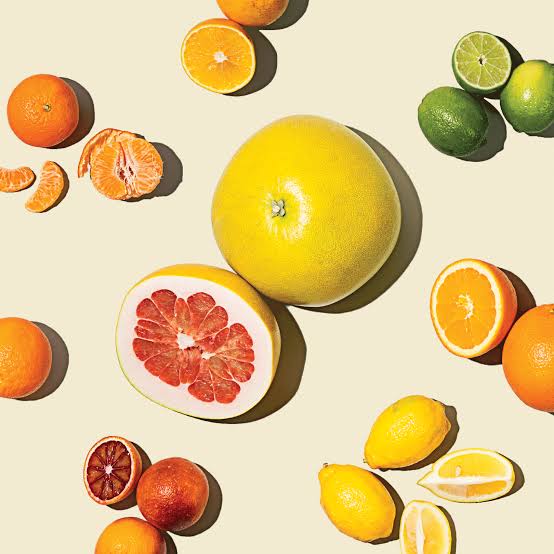 Citrus Fruits
Oranges and grapefruit provide vitamin C, which supports collagen production and immune function.
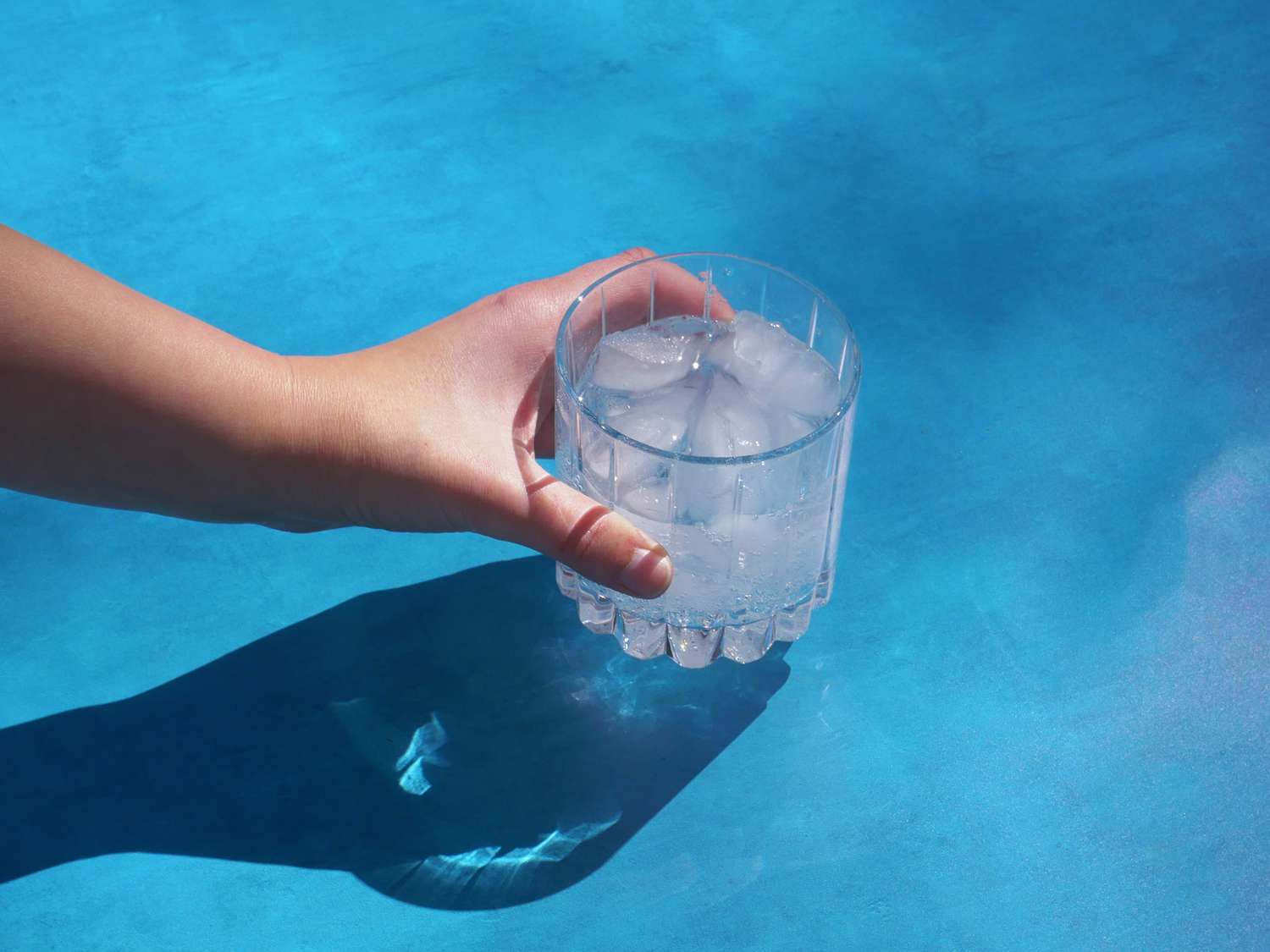 Water
Water
Staying hydrated may help with overall well-being, especially if hot flashes or night sweats increase fluid loss.
Foods to Limit
Some women notice that these foods or beverages may worsen certain symptoms:
- Alcohol
- Highly processed foods
- Sugary drinks
- Excess caffeine
- Very spicy foods (for those sensitive to hot flashes)
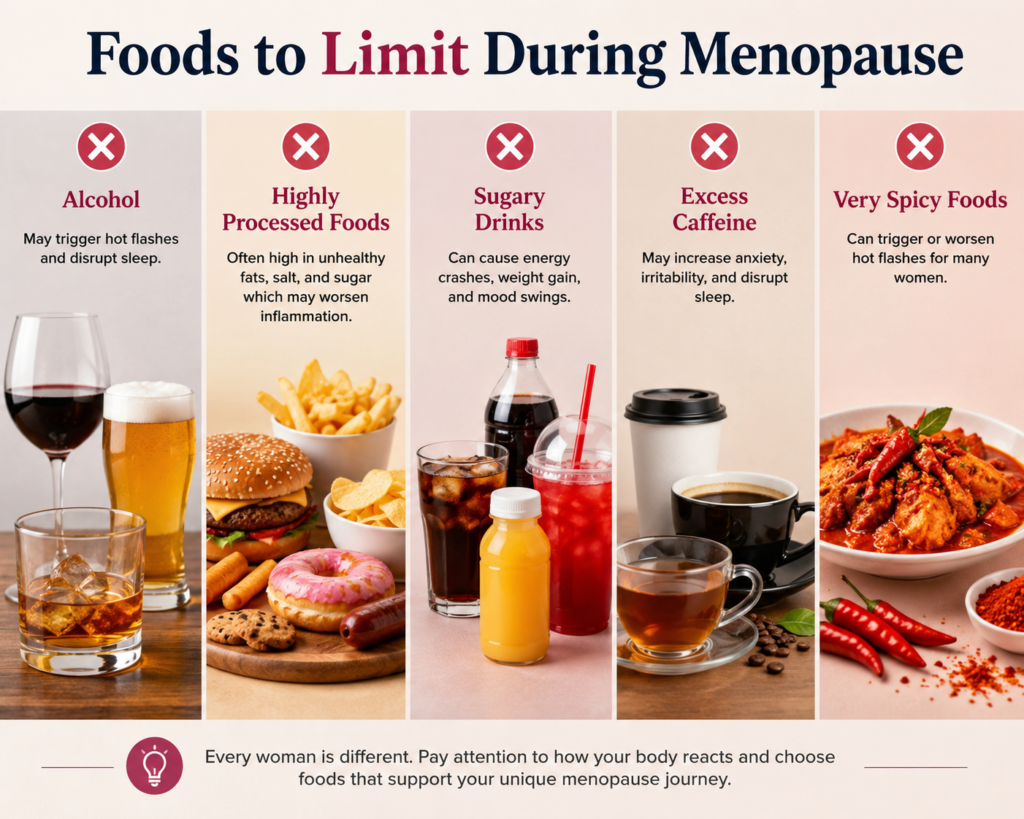
Responses vary from person to person, so keeping a food diary can help identify individual triggers.
Healthy Lifestyle Tips
Along with nutritious eating:
- Exercise regularly.
- Get adequate sleep.
- Maintain a healthy weight.
- Stay hydrated.
- Avoid smoking.
- Manage stress through relaxation techniques or mindfulness.
Frequently Asked Questions
What foods are best for hot flashes?
Soy foods, leafy greens, berries, whole grains, and omega-3-rich fish are commonly included in healthy menopause-friendly diets, though individual responses vary.
Is calcium important after menopause?
Yes. Calcium, vitamin D, and weight-bearing exercise are important for maintaining bone health as estrogen levels decline.
Can diet cure menopause?
No. Menopause is a natural life stage, not a disease. A balanced diet can support overall health and help manage some symptoms, but it is not a cure.
Medical Disclaimer
This article is for educational purposes only and should not be considered medical advice. Always consult a qualified healthcare professional before making significant dietary changes or starting supplements, especially if you have underlying health conditions or take prescription medication
Related Articles
- 15 Early Signs of Menopause Every Woman Should Know
- Best Supplements for Menopause in 2026
- Why Do Women Experience Bladder Leakage?