
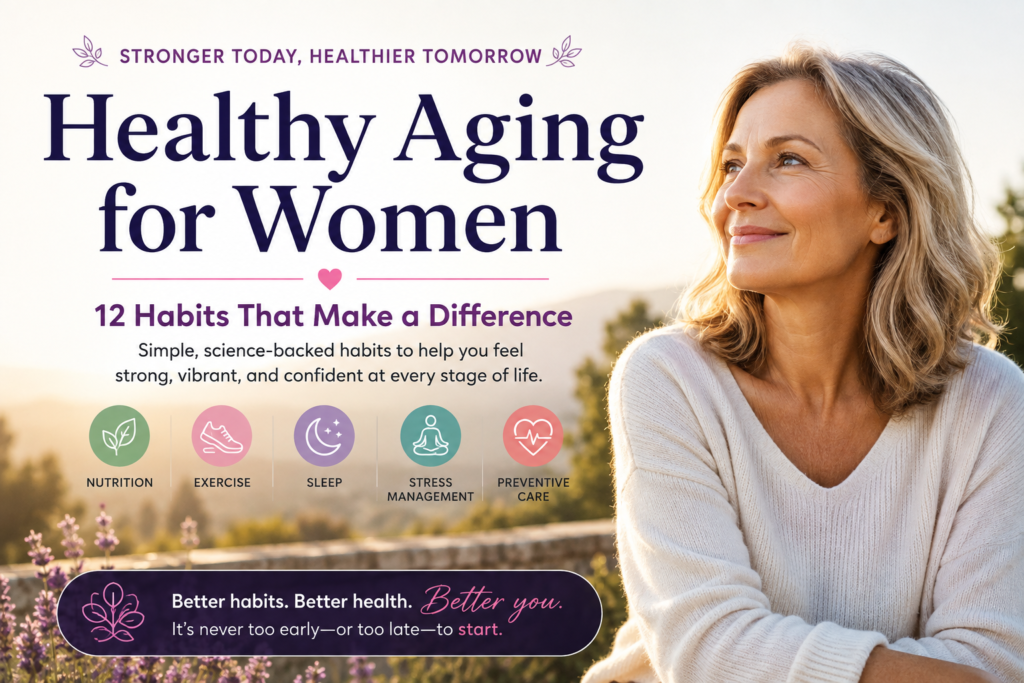
Healthy Aging for Women: 12 Habits That Make a Difference
Introduction
Aging is a natural part of life, but healthy aging is about much more than simply getting older. For women, the years after 40 often bring changes in hormones, metabolism, bone density, muscle strength, skin health, and overall energy levels. While these changes are normal, the way you care for your body and mind can have a significant impact on how you feel as you age.
Healthy aging isn’t about trying to look younger or preventing every wrinkle. Instead, it’s about maintaining your physical health, mental well-being, independence, and quality of life. By making small, consistent lifestyle changes, women can support their bodies through every stage of adulthood and reduce the risk of many chronic health conditions.
Research has shown that daily habits such as eating a balanced diet, staying physically active, getting enough sleep, managing stress, and keeping up with preventive health screenings can contribute to better long-term health. These habits may also support heart health, bone strength, brain function, and mobility, helping women remain active and confident as they age.
The good news is that it’s never too early—or too late—to begin making healthier choices. Whether you’re in your 30s preparing for the future, navigating your 40s and 50s, or enjoying your retirement years, adopting healthy habits today can make a meaningful difference in the years ahead.
In this guide, we’ll explore 12 practical habits that can help women age in a healthier, stronger, and more fulfilling way.
What Does Healthy Aging Mean?

Healthy aging means maintaining the best possible physical, mental, and emotional health as you grow older. It does not mean avoiding aging altogether. Instead, it focuses on staying active, preventing disease where possible, and preserving independence.
For women, healthy aging involves several important areas:
Physical Health
Maintaining muscle strength, healthy bones, a strong heart, and good mobility allows women to continue enjoying everyday activities. Regular exercise, proper nutrition, and preventive healthcare all contribute to physical wellness.
Mental and Emotional Well-Being
Emotional health is just as important as physical health. Managing stress, staying socially connected, getting quality sleep, and participating in enjoyable activities can support mental wellness throughout life.
Preventive Care
Routine health screenings become increasingly important with age. Regular blood pressure checks, cholesterol testing, mammograms, bone density scans, eye examinations, and other recommended screenings can help detect potential health issues early when they’re often easier to manage.
Healthy Lifestyle Choices
Daily decisions—including food choices, physical activity, hydration, avoiding smoking, limiting alcohol, and maintaining a healthy weight—play a significant role in supporting healthy aging.
While genetics influence some aspects of aging, lifestyle factors remain one of the most powerful tools women have for supporting long-term health and well-being.
Eat a Nutrient-Rich Diet
Nutrition forms the foundation of healthy aging. As women grow older, the body’s nutritional needs change, making it even more important to choose foods that provide essential vitamins, minerals, protein, fiber, and healthy fats.
A balanced diet can help support energy levels, immune function, bone health, heart health, and muscle maintenance. It may also contribute to healthy weight management and reduce the risk of chronic conditions such as type 2 diabetes and cardiovascular disease.
Aim to include a variety of nutrient-dense foods in your daily meals, such as:
- Colorful fruits and vegetables
- Whole grains like oats, quinoa, and brown rice
- Lean protein sources including fish, poultry, beans, lentils, eggs, and tofu
- Healthy fats from nuts, seeds, avocados, and olive oil
- Calcium-rich foods like yogurt, milk, fortified plant-based beverages, and leafy greens
Women over 40 should also pay close attention to nutrients such as calcium, vitamin D, vitamin B12, iron (when appropriate), and protein, as requirements may change with age.
At the same time, try to limit highly processed foods, excessive added sugars, sugary beverages, and foods high in sodium. Choosing mostly whole foods can support better overall health and help maintain steady energy throughout the day.
Quick Tip: Instead of focusing on restrictive diets, aim to build balanced meals that include vegetables, lean protein, healthy fats, and whole grains. Small, sustainable changes are often easier to maintain than drastic dietary changes.
Stay Physically Active
Regular physical activity is one of the most effective ways to support healthy aging. Exercise benefits nearly every system in the body, including the heart, muscles, bones, joints, and brain.
For women, staying active can help maintain muscle mass, improve balance, strengthen bones, support a healthy weight, and reduce the risk of falls as they age. Exercise is also linked to better mood, improved sleep, and lower stress levels.
A well-rounded fitness routine includes several types of movement:
- Aerobic exercise: Walking, swimming, cycling, or dancing can support cardiovascular health.
- Strength training: Resistance exercises help maintain muscle mass and bone density.
- Flexibility exercises: Stretching and yoga can improve mobility and reduce stiffness.
- Balance training: Simple balance exercises may help lower the risk of falls, especially in later years.
Current physical activity guidelines generally recommend that adults aim for at least 150 minutes of moderate-intensity aerobic activity each week, along with muscle-strengthening activities on two or more days.
If you’re new to exercise or returning after a break, start gradually. Even a 20–30 minute walk several days a week can be a valuable first step. The key is consistency rather than perfection.
Remember, the best exercise is the one you enjoy and can maintain over the long term. Whether it’s gardening, hiking, dancing, yoga, or swimming, finding activities you look forward to can make staying active much easier.
Prioritize Quality Sleep
Sleep is one of the most overlooked aspects of healthy aging, yet it plays a vital role in physical health, mental well-being, and overall quality of life. As women get older, hormonal changes, stress, menopause, and certain medical conditions can make it more difficult to enjoy restful sleep.
Poor sleep doesn’t just leave you feeling tired the next day. Over time, it may affect memory, concentration, mood, immune function, and heart health. It can also increase the risk of weight gain, high blood pressure, and type 2 diabetes.
Most adults should aim for 7 to 9 hours of quality sleep each night. Rather than focusing only on the number of hours slept, it’s also important to pay attention to sleep quality.
Tips to Improve Sleep Naturally
- Go to bed and wake up at the same time every day.
- Avoid caffeine late in the afternoon and evening.
- Limit screen time for at least one hour before bedtime.
- Keep your bedroom cool, dark, and quiet.
- Develop a relaxing bedtime routine such as reading or meditation.
- Stay physically active during the day.
Women experiencing menopause may notice hot flashes or night sweats that interrupt sleep. Wearing lightweight sleepwear, keeping the bedroom cool, and speaking with a healthcare professional if symptoms become severe may help improve sleep quality.
Why Sleep Matters as You Age
During sleep, the body repairs tissues, supports immune function, and consolidates memories. Consistently getting enough restorative sleep may help improve energy levels, emotional health, and cognitive performance, making it an essential habit for healthy aging.
Protect Your Bone Health
Bone health is especially important for women because the risk of osteoporosis increases after menopause. Declining estrogen levels can lead to faster bone loss, making bones weaker and more susceptible to fractures.
Fortunately, there are many proactive steps women can take to support strong bones throughout life.
Eat Bone-Friendly Foods
A balanced diet should include nutrients that support bone health, such as:
- Calcium from dairy products, fortified plant-based beverages, leafy green vegetables, almonds, and tofu.
- Vitamin D, which helps the body absorb calcium.
- Magnesium and phosphorus, found in nuts, seeds, whole grains, and legumes.
- Protein, which contributes to maintaining healthy bones and muscles.
Stay Active
Weight-bearing exercises encourage bones to stay strong. Activities such as walking, hiking, dancing, climbing stairs, and resistance training place healthy stress on bones, stimulating bone maintenance.
Avoid Habits That May Weaken Bones
Certain lifestyle habits may negatively affect bone health, including:
- Smoking
- Excessive alcohol consumption
- Sedentary lifestyle
- Long-term poor nutrition
Know Your Risk
Women with a family history of osteoporosis, early menopause, low body weight, or certain medical conditions may benefit from discussing bone density screening with their healthcare provider.
Building healthy habits early can help support stronger bones later in life and reduce the risk of fractures as women age.
Support Your Heart Health
Heart disease remains one of the leading health concerns for women, particularly after menopause. Although many people associate heart disease with men, it affects millions of women worldwide.
As estrogen levels decline, changes in cholesterol, blood pressure, and blood vessel function may increase cardiovascular risk. The encouraging news is that many risk factors can be influenced by healthy lifestyle choices.
Simple Ways to Protect Your Heart
Eat a Heart-Healthy Diet
Choose foods that support cardiovascular health, including:
- Fruits and vegetables
- Whole grains
- Beans and legumes
- Fatty fish rich in omega-3 fatty acids
- Nuts and seeds
- Healthy oils such as olive oil
Try to limit highly processed foods, excessive salt, trans fats, and added sugars.
Stay Active
Regular exercise strengthens the heart, improves circulation, and helps maintain healthy blood pressure and cholesterol levels.
Manage Blood Pressure and Cholesterol
Routine health checkups allow you to monitor important health markers and identify concerns early. Lifestyle changes, and when necessary, medical treatment, can help manage these risk factors effectively.
Avoid Smoking
Smoking damages blood vessels and significantly increases the risk of heart disease and stroke. Quitting smoking provides health benefits at any age.
Manage Stress
Chronic stress may contribute to unhealthy behaviors and affect heart health. Techniques such as mindfulness, deep breathing, spending time outdoors, and maintaining supportive relationships can help reduce stress levels.
Don’t Ignore Symptoms
Heart disease symptoms in women can sometimes be subtle. While chest pain is common, women may also experience:
- Shortness of breath
- Fatigue
- Nausea
- Pain in the jaw, neck, shoulders, or back
- Dizziness
If you experience sudden or severe symptoms that may indicate a heart emergency, seek immediate medical attention.
Keep Your Brain Active
Healthy aging is about much more than maintaining physical strength—it’s also about protecting your brain. As women grow older, it’s natural to notice small changes in memory or the speed at which information is processed. However, staying mentally active throughout life can help support cognitive function and overall brain health.
Just like your muscles become stronger with regular exercise, your brain benefits from continuous learning and mental challenges. Engaging in stimulating activities may help improve memory, concentration, problem-solving skills, and emotional well-being.
Ways to Keep Your Brain Healthy
Continue Learning
Learning new skills encourages the brain to build new neural connections. Consider:
- Reading books regularly
- Learning a new language
- Taking online courses
- Trying a new hobby such as painting or gardening
- Learning to play a musical instrument
Keeping your mind curious can make everyday life more enjoyable while supporting long-term cognitive health.
Stay Socially Connected
Maintaining strong relationships with friends and family is another important part of healthy aging. Regular social interaction can help reduce feelings of loneliness and may support emotional and mental well-being.
Simple ways to stay connected include:
- Joining local community groups
- Volunteering
- Meeting friends for walks or coffee
- Participating in clubs or classes
- Staying connected through video calls if family lives far away
Challenge Your Mind
Activities that require thinking and problem-solving can keep your brain engaged.
Examples include:
- Crossword puzzles
- Sudoku
- Chess
- Card games
- Word games
- Strategy games
Even changing your daily routine occasionally, such as taking a different walking route or trying a new recipe, can stimulate your brain.
Support Brain Health Through Lifestyle
Brain health is closely linked to overall health. Regular exercise, nutritious food, quality sleep, and stress management all contribute to healthy brain function.
Healthy Aging Tip: Never stop learning. Lifelong curiosity is one of the best gifts you can give your brain.
Manage Stress Effectively
Stress is a normal part of life, but chronic stress can affect both physical and mental health. Long-term stress has been linked to poor sleep, high blood pressure, digestive issues, weakened immunity, anxiety, and depression.
Women often balance multiple responsibilities, including careers, caregiving, family responsibilities, and personal commitments. Learning healthy ways to manage stress can significantly improve quality of life.
Recognize Common Sources of Stress
Stress may come from:
- Work pressures
- Financial concerns
- Family responsibilities
- Health challenges
- Menopause-related hormonal changes
- Lack of sleep
Identifying the source of stress is often the first step toward managing it effectively.
Healthy Ways to Reduce Stress
Practice Mindfulness
Mindfulness encourages you to focus on the present moment without judgment. Even 10 minutes of mindful breathing each day may help reduce stress.
Exercise Regularly
Physical activity naturally releases endorphins, often called “feel-good” hormones. Walking, yoga, swimming, cycling, and dancing are all excellent choices.
Spend Time Outdoors
Nature has a calming effect on many people. Spending time in parks, gardens, or simply walking outdoors can help refresh your mind.
Build Strong Relationships
Talking with trusted friends or family members can provide emotional support during challenging times.
Make Time for Yourself
Self-care isn’t selfish—it’s essential. Reading, listening to music, gardening, journaling, or enjoying a relaxing bath are simple ways to recharge.
Why Stress Management Matters
Managing stress supports:
- Better sleep
- Heart health
- Hormonal balance
- Stronger immune function
- Improved mood
- Better concentration
Small daily habits often have a greater impact than occasional major changes.
Stay Hydrated
Water is essential for nearly every function in the body. As women age, the sensation of thirst may become less noticeable, making dehydration more common.
Proper hydration supports:
- Healthy digestion
- Joint lubrication
- Body temperature regulation
- Kidney function
- Skin health
- Energy levels
Even mild dehydration may lead to fatigue, headaches, dizziness, and difficulty concentrating.
How Much Water Do Women Need?
Hydration needs vary depending on climate, activity level, and overall health. Rather than focusing on one exact number, aim to drink fluids consistently throughout the day and increase intake during hot weather or exercise.
Good hydration sources include:
- Water
- Herbal teas
- Milk
- Fruits such as watermelon and oranges
- Vegetables like cucumber and lettuce
- Soups
Signs You May Need More Fluids
Watch for signs such as:
- Dark-colored urine
- Dry mouth
- Fatigue
- Headache
- Dizziness
- Feeling unusually thirsty
If you have medical conditions such as kidney disease or heart failure, follow your healthcare provider’s advice regarding fluid intake.
Healthy Habit
Carry a reusable water bottle when you’re away from home. Having water nearby makes it easier to stay hydrated throughout the day.
Schedule Regular Health Checkups
Preventive healthcare becomes increasingly important as women grow older. Regular checkups allow healthcare professionals to identify potential health concerns early, when treatment is often more effective.
Even if you feel healthy, routine screenings can provide valuable information about your overall health.
Important Health Screenings for Women
Depending on your age, personal health history, and family history, your healthcare provider may recommend:
- Blood pressure checks
- Cholesterol testing
- Blood sugar screening
- Mammograms
- Cervical cancer screening
- Bone density testing
- Eye examinations
- Dental checkups
- Hearing evaluations
- Skin examinations
The recommended schedule for these screenings varies from person to person, so discuss an appropriate plan with your healthcare provider.
Stay Up to Date With Vaccinations
Vaccinations remain an important part of healthy aging. Adults may benefit from recommended vaccines based on age, health conditions, and local public health guidance.
Know Your Family History
Certain conditions such as heart disease, osteoporosis, diabetes, and some cancers may run in families. Sharing your family medical history with your healthcare provider can help personalize your preventive care plan.
Listen to Your Body
Never ignore persistent symptoms such as:
- Unexplained weight loss
- Ongoing fatigue
- Persistent pain
- Changes in bowel or bladder habits
- Unusual bleeding
- New lumps or skin changes
Early evaluation can make a significant difference in diagnosis and treatment.
Quick Reminder: Prevention is often more effective than treatment. Making regular health checkups part of your routine is one of the smartest investments you can make in your future health.
Strengthen Your Pelvic Floor
Pelvic floor health is an important but often overlooked part of healthy aging for women. The pelvic floor is a group of muscles that supports the bladder, uterus, and bowel. As women age, these muscles can naturally weaken due to pregnancy, childbirth, menopause, or simply the aging process.
A weakened pelvic floor may contribute to symptoms such as:
- Bladder leakage when coughing, laughing, or exercising
- Frequent urges to urinate
- Difficulty controlling bowel movements
- Pelvic pressure or discomfort
While these issues become more common with age, they are not an inevitable part of aging, and many women can improve pelvic floor strength through lifestyle changes and targeted exercises.
Practice Pelvic Floor Exercises
One of the most effective ways to strengthen the pelvic floor is through Kegel exercises. These exercises involve tightening and relaxing the pelvic floor muscles regularly.
Benefits may include:
- Better bladder control
- Improved pelvic support
- Reduced urinary leakage
- Greater confidence during daily activities
If you’re unsure how to perform Kegel exercises correctly, consider consulting a pelvic floor physical therapist or healthcare professional for guidance.
Maintain a Healthy Lifestyle
Several everyday habits can also support pelvic floor health:
- Maintain a healthy weight to reduce pressure on the pelvic muscles.
- Eat enough fiber to help prevent constipation, which can strain the pelvic floor.
- Stay physically active with low-impact exercises.
- Avoid smoking, as chronic coughing may place additional stress on pelvic muscles.
- Lift heavy objects using proper body mechanics.
Women experiencing persistent bladder leakage, pelvic pain, or other concerning symptoms should seek medical advice to determine the underlying cause and appropriate treatment options.
Related Reading: If you’re interested in learning more about bladder wellness, you may also enjoy our guides on Why Bladder Leakage Happens After 40 and Natural Ways to Support Bladder Health.
Build Strong Social Connections
Healthy aging is about more than physical health. Strong social relationships play a significant role in emotional well-being, mental health, and overall quality of life.
Research has consistently shown that people who maintain meaningful social connections often experience better mental health, greater life satisfaction, and improved resilience during challenging times.
As women move through different stages of life—raising children, advancing careers, retiring, or caring for aging parents—social routines may change. Making an effort to nurture relationships remains important at every age.
Ways to Stay Connected
You don’t need a large social circle to experience the benefits of connection. Even a few meaningful relationships can make a difference.
Ideas include:
- Schedule regular phone or video calls with family.
- Join local walking groups or fitness classes.
- Volunteer within your community.
- Attend workshops or hobby groups.
- Participate in book clubs or community events.
- Reconnect with old friends.
Strong social connections can also encourage healthy habits, including staying active, eating well, and attending regular medical appointments.
Healthy Aging Reminder
Taking care of your emotional health is just as important as caring for your physical health. Building supportive relationships can improve happiness, reduce stress, and help you navigate life’s transitions with confidence.
Healthy Aging Tips for Every Stage of Life
Although healthy habits benefit women at any age, priorities often shift throughout adulthood.
In Your 30s
Your 30s are an excellent time to establish healthy routines that support long-term well-being.
Focus on:
- Building muscle through strength training.
- Eating a balanced, nutrient-rich diet.
- Managing stress effectively.
- Maintaining a healthy weight.
- Prioritizing quality sleep.
In Your 40s
Hormonal changes may begin during this decade, making preventive care increasingly important.
Key priorities include:
- Monitoring blood pressure and cholesterol.
- Supporting bone health with calcium, vitamin D, and exercise.
- Staying physically active.
- Managing stress and improving sleep quality.
- Paying attention to early menopause symptoms.
In Your 50s
Many women experience menopause during their 50s, bringing changes that may affect sleep, metabolism, bone health, and bladder function.
Healthy habits include:
- Continuing strength and balance exercises.
- Eating plenty of protein and calcium-rich foods.
- Scheduling recommended health screenings.
- Supporting heart health.
- Staying socially engaged.
In Your 60s and Beyond
Healthy aging remains possible at every stage of life.
Focus on:
- Maintaining independence through regular movement.
- Improving balance and flexibility.
- Staying mentally active.
- Preventing falls.
- Keeping up with routine healthcare visits.
- Enjoying hobbies and meaningful relationships.
Remember, it’s never too late to adopt healthier habits. Small improvements today can have lasting benefits tomorrow.
Common Mistakes That Can Slow Healthy Aging
Even healthy people sometimes develop habits that negatively affect long-term wellness. Being aware of these common mistakes can help you make better choices.
Skipping Regular Exercise
A sedentary lifestyle contributes to muscle loss, reduced mobility, and an increased risk of chronic disease.
Eating Too Many Highly Processed Foods
Foods high in added sugars, unhealthy fats, and sodium may increase the risk of obesity, heart disease, and diabetes.
Ignoring Sleep Problems
Persistent sleep issues shouldn’t be accepted as a normal part of aging. Discuss ongoing concerns with a healthcare professional.
Neglecting Preventive Care
Regular checkups and recommended screenings allow health issues to be identified earlier.
Chronic Stress
Long-term stress affects both physical and mental health. Developing healthy coping strategies is an important part of aging well.
Smoking and Excessive Alcohol Consumption
Avoiding tobacco products and limiting alcohol intake can support healthier aging and reduce the risk of many chronic diseases.
Frequently Asked Questions
What is the secret to healthy aging for women?
There is no single secret. Healthy aging results from consistent habits such as eating nutritious foods, exercising regularly, getting enough sleep, managing stress, maintaining social connections, and attending preventive health checkups.
At what age should women start focusing on healthy aging?
Healthy aging begins early in adulthood. Building healthy habits in your 20s and 30s can provide long-term benefits, but it’s never too late to start making positive lifestyle changes.
What foods help women age well?
A balanced diet rich in fruits, vegetables, whole grains, lean proteins, healthy fats, and calcium-rich foods supports healthy aging. Limiting highly processed foods and added sugars can also benefit overall health.
Can exercise slow the aging process?
Regular physical activity cannot stop aging, but it can help maintain muscle strength, cardiovascular fitness, mobility, bone health, and mental well-being, allowing women to remain healthier and more active as they age.
Why is strength training important for women over 40?
Strength training helps preserve muscle mass, supports bone density, improves metabolism, enhances balance, and reduces the risk of falls, making it one of the most beneficial forms of exercise as women grow older.
Conclusion
Healthy aging isn’t about achieving perfection or trying to turn back the clock—it’s about making choices that help you feel your best at every stage of life. While aging is a natural process, many aspects of your long-term health are influenced by everyday habits.
Eating a nutritious diet, staying physically active, getting enough sleep, protecting your heart and bones, managing stress, maintaining strong relationships, and keeping up with preventive healthcare all work together to support a healthier future.
The most important step is simply to begin. You don’t have to change everything overnight. Start by choosing one or two habits that fit your lifestyle, build consistency, and gradually add more healthy practices over time.
Every positive choice you make today is an investment in your future well-being. With patience, consistency, and self-care, healthy aging can help you remain active, independent, and confident for years to come.
Medical Disclaimer
This article is intended for educational and informational purposes only and should not be considered medical advice. It is not a substitute for professional diagnosis, treatment, or guidance from a qualified healthcare provider. Always consult your physician or another licensed healthcare professional regarding any medical concerns, symptoms, or changes to your healthcare routine. Never ignore or delay seeking professional medical advice because of information you have read online.
Related Articles
15 Early Signs of Menopause Every Woman Should Know